How a rushed identity change triggered public backlash and an expensive brand retreat.
Category:
Branding
Author:
Four Fold Agency
Read:
2 min read
Location:
United States
Date:
Feb 4, 2026

Context and the Logo Change
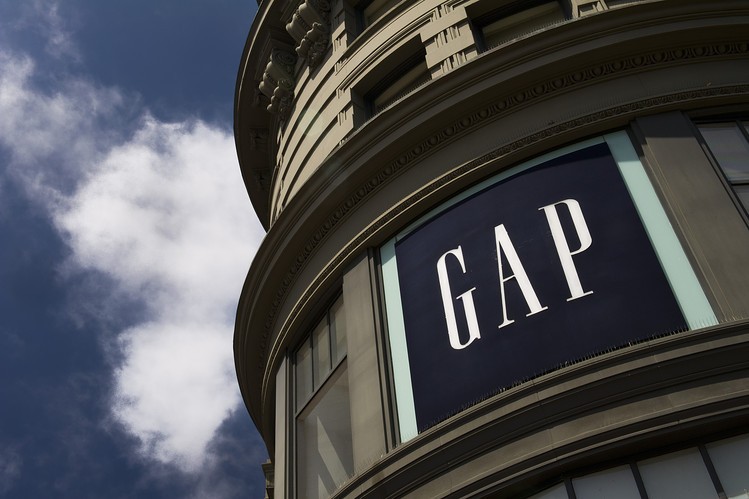
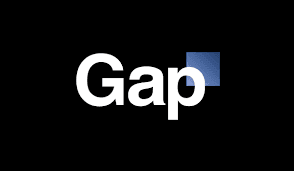
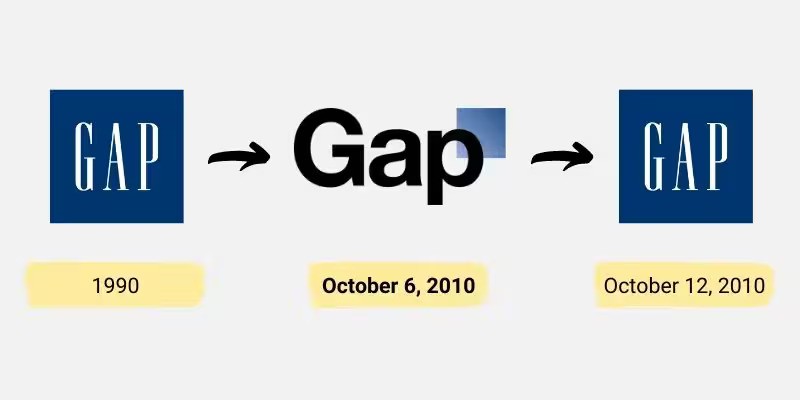
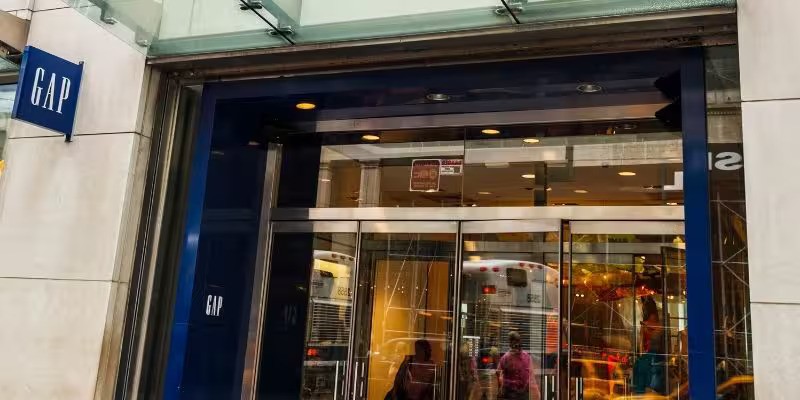
Gap, the iconic American retailer known for its classic blue-box logo, attempted a major identity update in 2010. After decades with the same mark and amid declining sales post-2008 financial crisis, the company rolled out a new logo designed by Laird and Partners. The update replaced the familiar dark blue square with the word “Gap” in black Helvetica next to a much smaller blue box. Gap executives pitched this as a more contemporary expression that still nodded to the past, intended to signal a shift toward a modern, “sexy and cool” brand image. The redesign reportedly cost around $100 million and was meant to rejuvenate the company’s appeal.
Backlash and Brand Backtrack
Almost immediately, the new logo was met with intense consumer and professional criticism. Loyal customers and design observers took to social media, blogs, and forums to condemn the mark as generic, bland, and disconnected from what Gap represented. Within 24 hours, online communities generated thousands of negative comments, a protest Twitter account gained thousands of followers, and parody logo generators spread across the internet. Many felt the redesign betrayed the brand’s identity and appeared to have been implemented without adequate customer engagement or strategic buildup. Under mounting pressure, Gap reversed the change and reinstated the original blue-box logo just six days after launching the new version.

Lessons and Strategic Takeaways
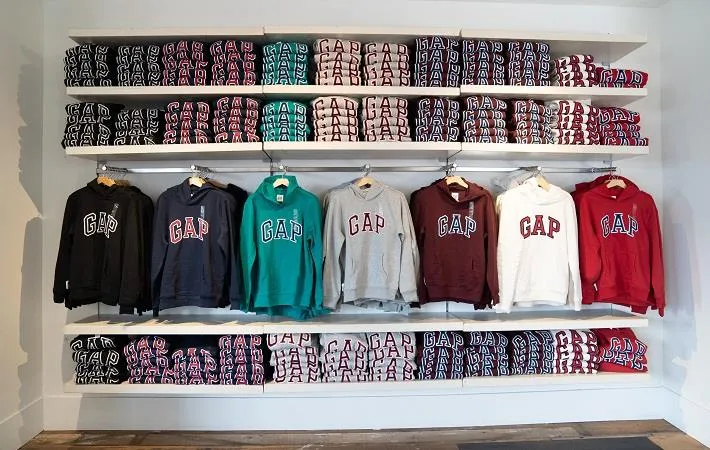
The fallout from Gap’s logo fiasco underscores fundamental principles of branding. First, logos are more than graphics; they carry emotional equity and consumer trust, especially for heritage brands. Sudden, unexplained changes can erode recognition and alienate loyal audiences. Second, effective rebranding should reflect broader strategic shifts, not cosmetic tweaks in response to short-term sales pressures. Third, companies must account for customer sentiment and prepare for rapid feedback cycles in the age of social media. Brands need clear reasoning, stakeholder engagement, and careful rollout plans when evolving identity elements, or risk backlash that outweighs any intended benefits.


FAQ'S
Find answers to common questions about my design process, services etc…

Product Design
Brand Identity Design
Branding
What services does Four Fold offer?
We specialize in brand strategy, identity design, website design, and digital experiences. From positioning to execution, we build brands that are clear, distinctive, and built to perform across markets.